
External Positions
External Positions
- scientific director, Foundation for the History of Technology2015 – Ongoing
Research Profile
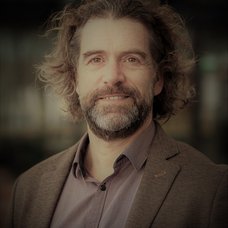
Erik van der Vleuten is Professor of History of Technology and Chair of the History Lab at Eindhoven University of Technology since 2015. He studies the modern and contemporary history of socio-technical transitions and sustainability challenges in an infrastructured world. Erik initiated/coordinated the 2nd umbrella research program of the Tensions of Europe research association, on Technology and Societal Challenges 1800-2050. His current focus is on the diverse sustainability histories and futures of distant-yet-connected regions across the globe. More information: History Lab personal page (https://www.eindhovenhistorylab.nl/erik-van-der-vleuten/)
Academic Background
Erik van der Vleuten received his master's degree in the Technology & Society program of the Eindhoven University of Technology in 1992, and his PhD in the History of Science, Technology and Medicine from the University of Aarhus, Denmark in 1998. He returned to Eindhoven in 1999, where he worked on the synthesis of the Dutch history of technology program and participated in the founding of the research community Tensions of Europe - Technology and the Making of Europe 1850-2000. He chaired this network from 2013 to 2015. In 2009-2018 he co-directed the NW Posthumus interuniversity research school's global history network and program.
Erik is also the scientific director of the Foundation for the History of Technology (SHT). He is a regular speaker and contributor to leading publications and conferences. His books include Engineering the Future, Understanding the Past: A Social History of Technology (2017); Europe’s Infrastructure Transition: Economy, War, Nature (2016, listen to the podcast); The Making of Europe’s Critical Infrastructure: Common Connections and Shared Vulnerabilities (2013); and Networking Europe. Transnational infrastructures and the shaping of Europe 1850-2000 (2006).